How Do You Choose the Right Materials for Coastal or Marine Interiors?
Designing interiors for coastal homes, yachts, or seaside hospitality venues requires careful material selection. Unlike standard interiors, marine environments expose materials to salt air, humidity, and constant moisture, which can cause corrosion, warping, or mold growth if the wrong materials are used.
For designers and yacht owners in the UAE, selecting the right marine interior materials UAE is essential to maintain durability, luxury, and long-term performance.
Why Marine Environments Require Special Materials
Marine interiors experience environmental challenges such as:
• High humidity levels
• Salt-laden air that accelerates corrosion
• Temperature fluctuations
• Continuous exposure to water and moisture
Materials used in marine interiors must therefore be durable, moisture-resistant, and easy to maintain while still delivering the elegance expected in luxury yachts and seaside villas.
Best Materials for Marine Interiors
1. Marine-Grade Wood
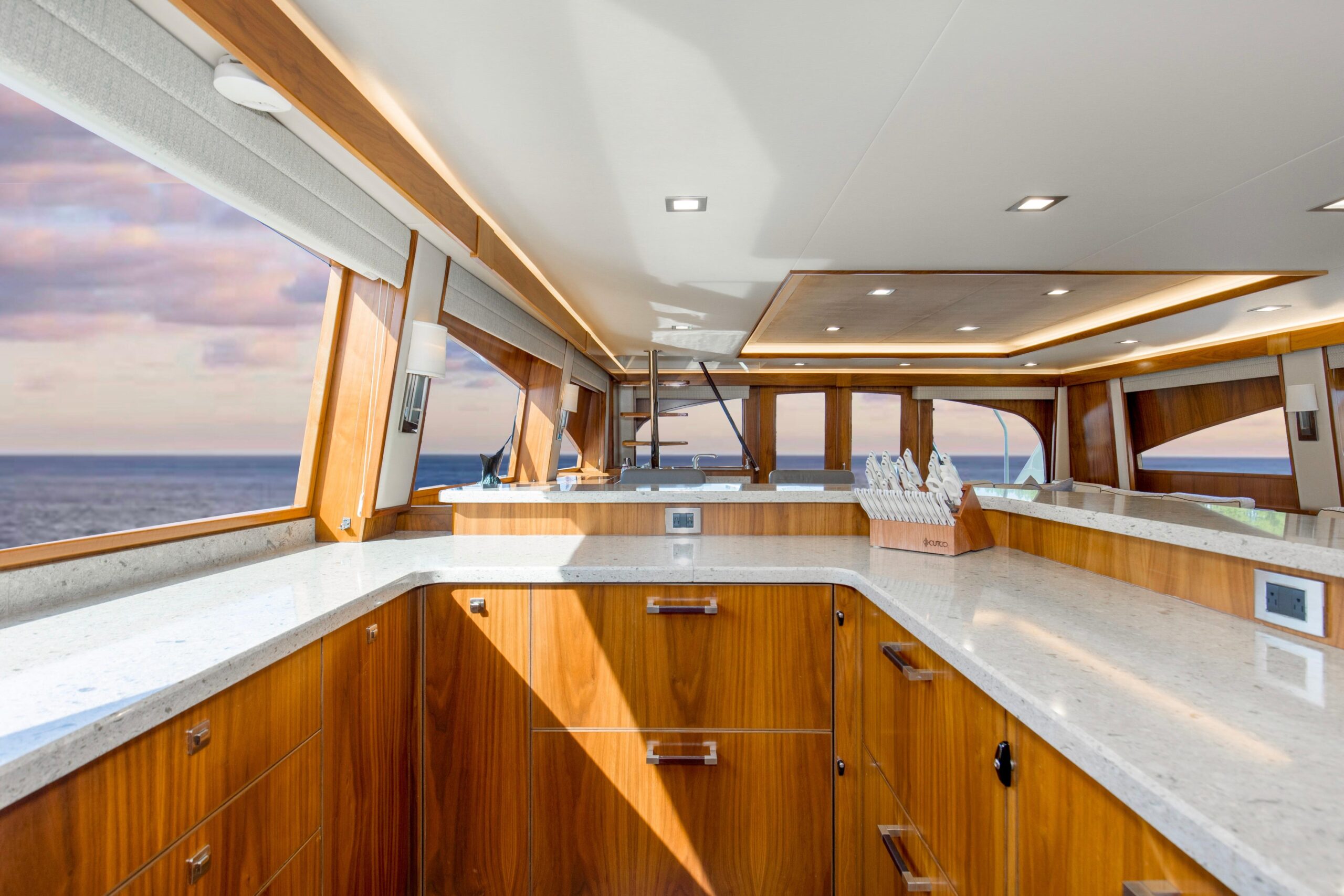
Wood is widely used in yacht interiors and coastal homes, but it must be treated or engineered to withstand humidity.
Popular choices include:
-
Teak
-
Marine plywood
-
Engineered hardwood
Teak is particularly valued for marine interiors because it naturally resists water, rot, and insects.
2. Stainless Steel and Corrosion-Resistant Metals
Metal fixtures and hardware are common in marine interiors, but standard metals quickly corrode in salty environments.
Marine-grade metals such as stainless steel and aluminum are ideal because they resist corrosion while maintaining a polished appearance.
3. Moisture-Resistant Upholstery and Fabrics
Fabric used in yachts or seaside properties should be designed to resist mold, mildew, and fading.
Common materials include:
-
Marine vinyl
-
Solution-dyed acrylic fabrics
-
Treated outdoor textiles
These fabrics provide comfort while remaining durable in humid conditions.
4. Composite and Engineered Materials
Advanced composites and engineered surfaces are increasingly popular in marine design.
Examples include:
-
High-pressure laminates
-
Composite panels
-
Solid surface materials
These materials are lightweight, durable, and resistant to moisture damage, making them ideal for yacht interiors.
5. Marine-Grade Finishes and Coatings
Protective coatings are essential for extending the life of interior materials in coastal environments.
High-quality sealants, varnishes, and anti-corrosion coatings protect surfaces from moisture and salt exposure.
Balancing Durability with Luxury
Luxury marine interiors require more than just durable materials. Designers must also consider:
-
Aesthetic harmony with the surrounding ocean environment
-
Weight limitations on vessels
-
Comfort and ergonomics for passengers
-
Easy maintenance for long voyages
Experienced marine interior specialists combine technical expertise with craftsmanship to deliver spaces that are both durable and elegant. Companies like Romeo Interiors bring decades of experience in delivering bespoke marine interiors that merge advanced technology with traditional craftsmanship.
Conclusion
Choosing the right materials for coastal and marine interiors is critical for ensuring longevity and comfort. By selecting moisture-resistant woods, corrosion-resistant metals, marine fabrics, and protective coatings, designers can create interiors that remain beautiful even in harsh marine environments.