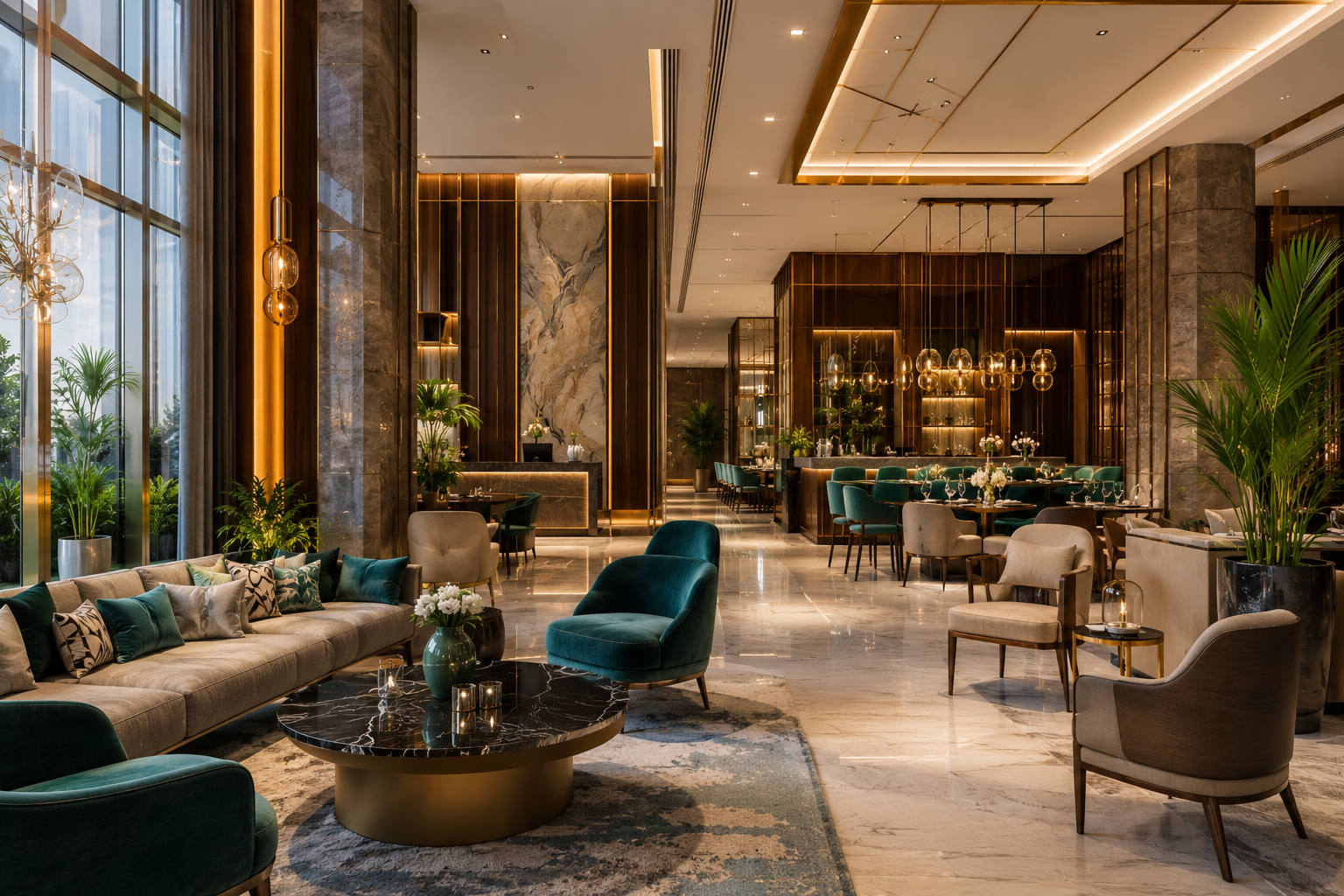
Top Hospitality Design Concepts in Dubai for Hotels, Restaurants, and Commercial Spaces
Dubai is known for luxury, innovation, and world-class experiences. From five-star hotels and fine dining restaurants to branded outlets and commercial spaces, every interior must do more than look beautiful. It must create comfort, support functionality, reflect the brand identity, and leave a lasting impression on guests.
This is why choosing the right hospitality design concept in Dubai is important for hotels, restaurants, service apartments, lounges, cafés, and commercial venues. A well-planned hospitality interior can improve customer experience, increase brand value, and make the space more memorable.
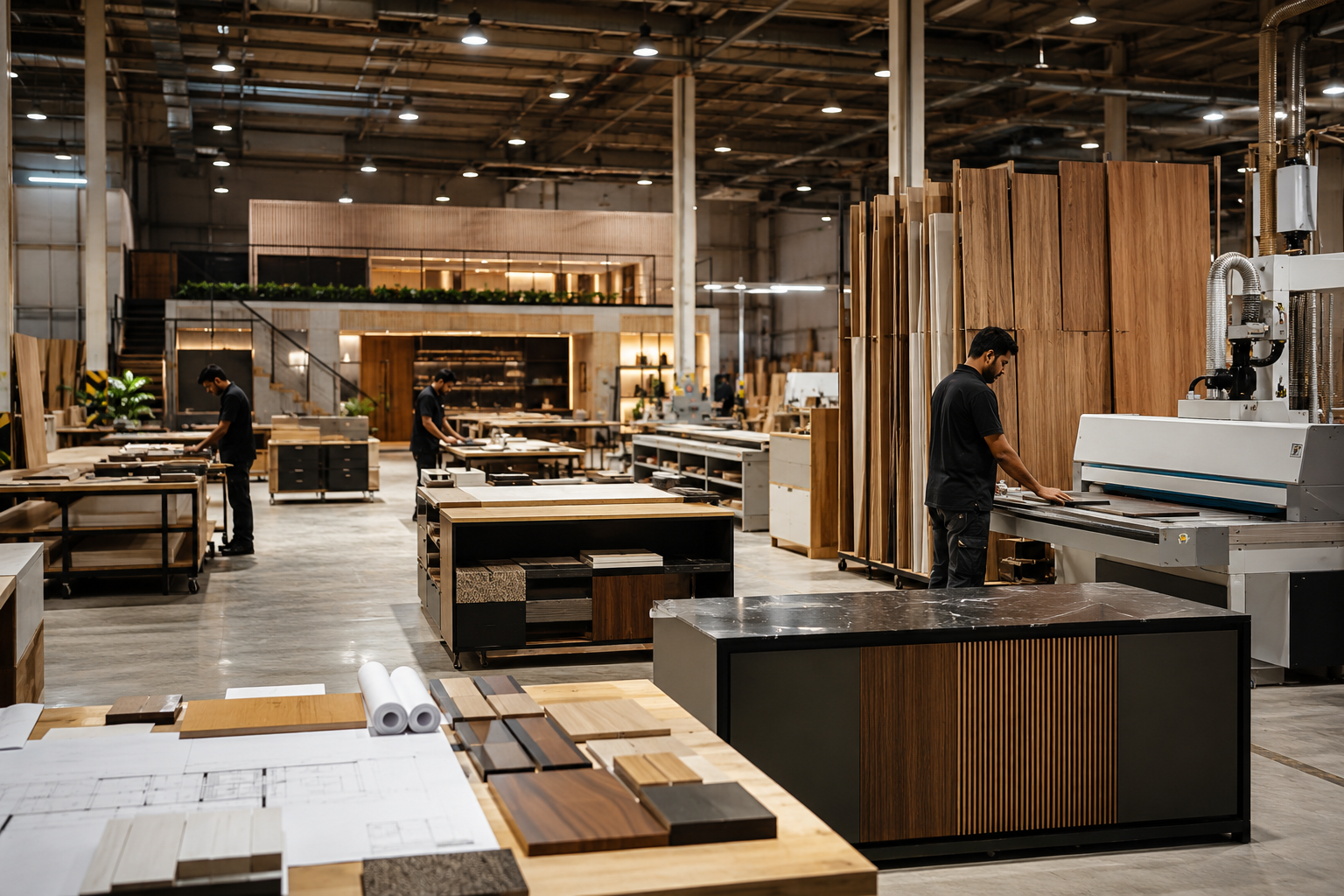
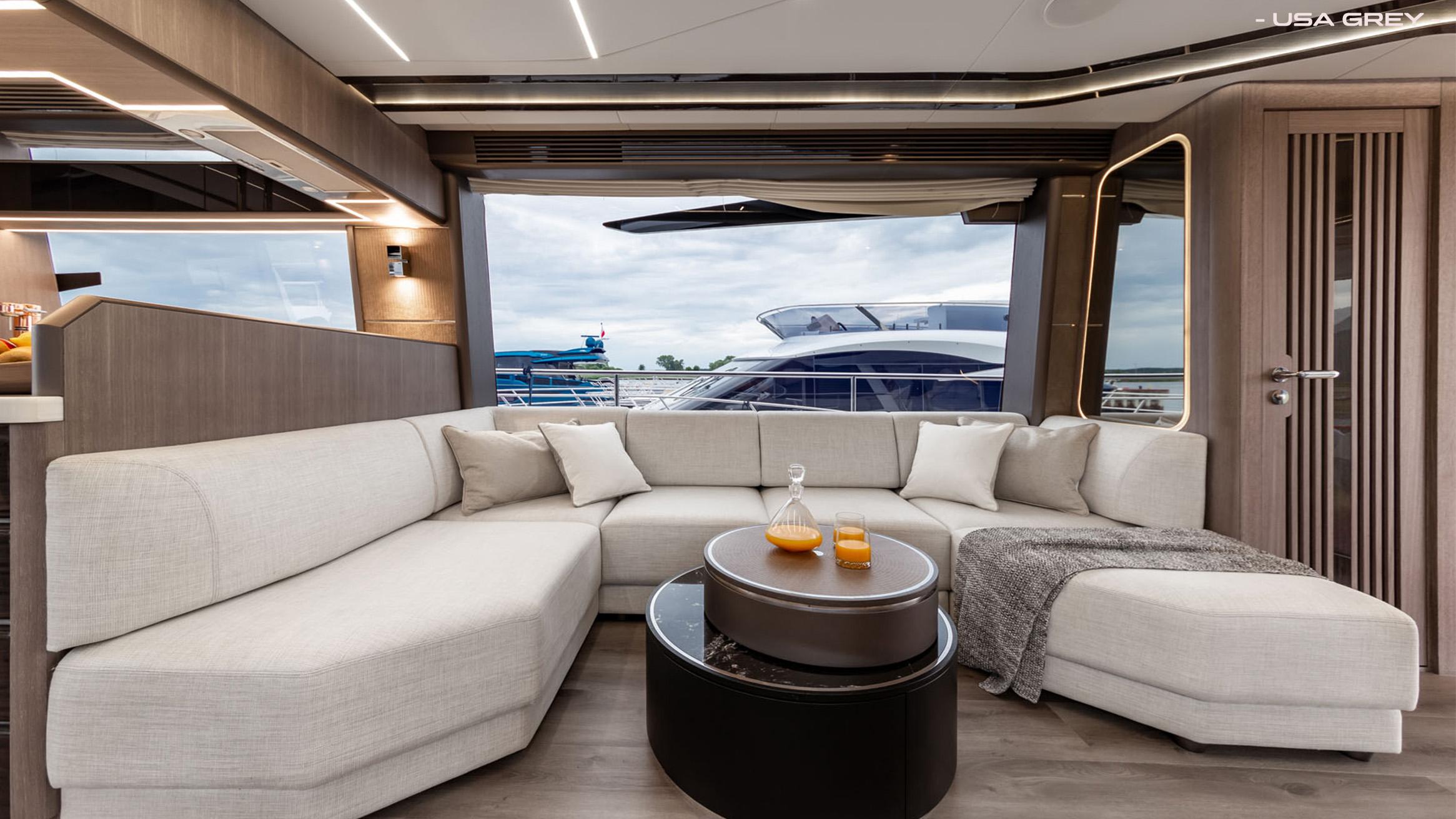
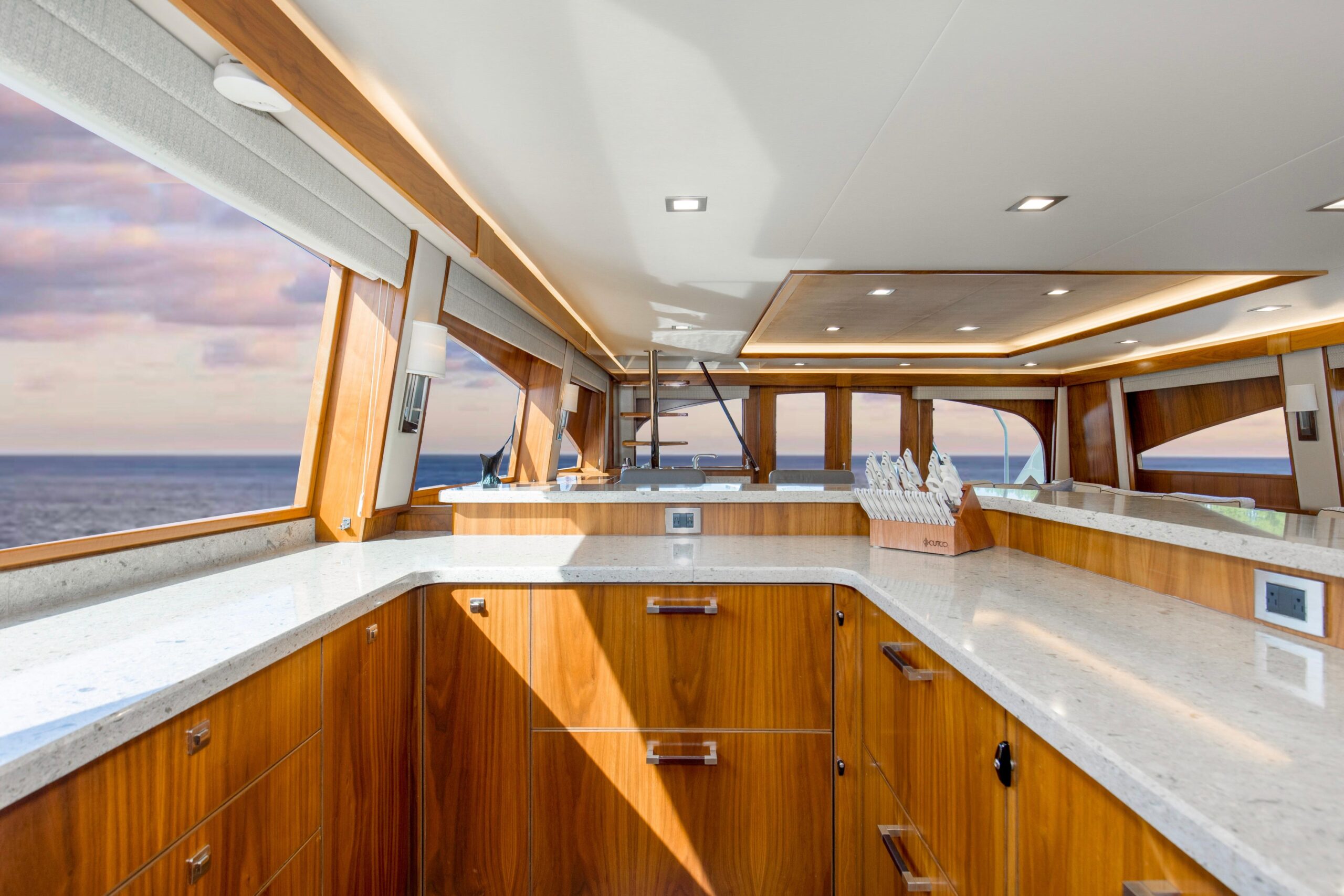
Romeo Interiors is a Dubai-based interior fit-out and joinery manufacturing company known for bespoke interior solutions. The company has more than 40 years of experience and works across hospitality, commercial, residential, marine, and diplomatic interiors.
What Is a Hospitality Design Concept?
A hospitality design concept is the creative and functional direction used to design a hotel, restaurant, café, lounge, service apartment, or commercial guest-facing space. It includes the theme, layout, lighting, materials, furniture, color palette, guest flow, branding, and overall atmosphere.
In Dubai, hospitality design must balance luxury with practicality. The space should look premium, but it should also be easy to maintain, comfortable for guests, efficient for staff, and suitable for high daily usage.
A strong hospitality design concept helps answer important questions such as:
What should guests feel when they enter the space?
How should the interiors reflect the brand?
How can the layout improve comfort and movement?
Which materials will suit the project’s purpose and location?
How can lighting, furniture, and finishes improve the guest experience?
Why Hospitality Design Matters in Dubai
Dubai’s hospitality industry is highly competitive. Hotels, restaurants, and commercial spaces must attract both local and international visitors. Guests today expect more than basic interiors. They look for memorable experiences, Instagram-worthy spaces, comfort, convenience, and a sense of luxury.
Good design helps businesses stand out. It creates the first impression, supports customer satisfaction, and encourages repeat visits. In hotels, the design affects the lobby, rooms, restaurants, lounges, corridors, and service areas. In restaurants, it influences seating comfort, ambience, customer flow, and dining experience. In commercial spaces, it improves brand presentation and client trust.
Romeo Interiors highlights hospitality interiors for hotels and service apartments, focusing on luxurious and functional spaces that create lasting impressions.
1. Luxury Hotel-Inspired Design
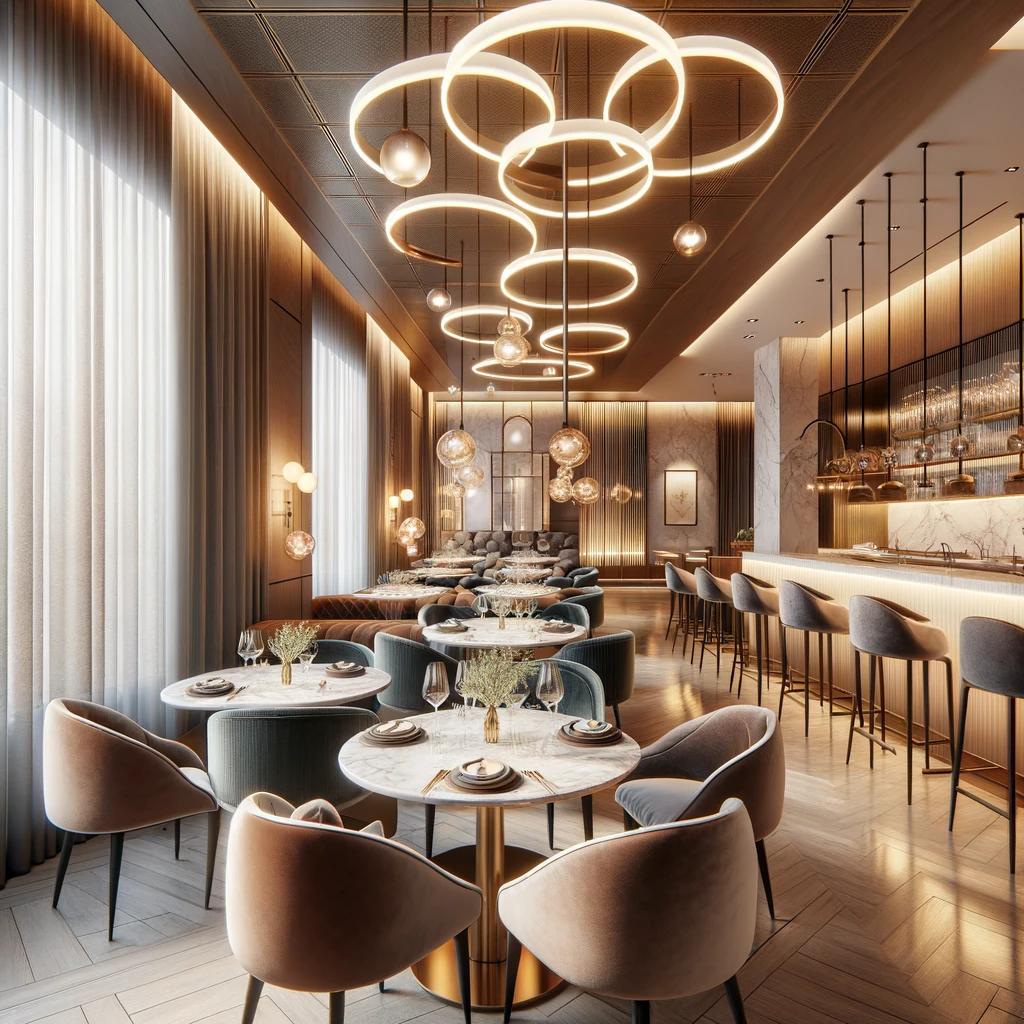
Luxury hospitality design is one of the most popular concepts in Dubai. It focuses on premium finishes, elegant furniture, custom joinery, rich textures, statement lighting, and refined detailing.
This concept works well for hotels, high-end restaurants, VIP lounges, executive offices, and premium commercial spaces. The goal is to create a sophisticated environment where every detail feels intentional.
Key elements include marble finishes, warm wood tones, metal accents, soft fabrics, feature walls, decorative ceilings, and custom-made furniture. When planned correctly, luxury interiors help create a strong brand image and a premium guest experience.
2. Modern Minimalist Hospitality Design
Modern minimalist design is ideal for brands that want a clean, elegant, and contemporary look. This concept uses simple forms, open layouts, neutral colors, hidden storage, and uncluttered spaces.
For hotels and restaurants in Dubai, minimalist design can create a calm and premium atmosphere. It is especially suitable for boutique hotels, wellness spaces, cafés, serviced apartments, and modern commercial interiors.
The key is to keep the space simple without making it feel empty. Good lighting, quality materials, comfortable furniture, and smart detailing are important to make minimalist hospitality interiors feel warm and inviting.
3. Arabic-Inspired Contemporary Design
Dubai’s hospitality spaces often combine modern luxury with regional identity. Arabic-inspired contemporary design uses cultural patterns, arches, warm colors, textured surfaces, brass details, decorative screens, and artistic lighting.
This concept is perfect for hotels, restaurants, majlis areas, lounges, and commercial reception spaces that want to reflect local character while maintaining a modern finish.
The design should feel elegant, not outdated. By combining traditional design details with modern materials and layouts, hospitality spaces can create a unique Dubai-inspired identity.
4. Biophilic and Nature-Inspired Interiors
Biophilic design brings natural elements into interior spaces. This includes indoor plants, natural wood, stone textures, earthy colors, water features, natural light, and organic shapes.
For hospitality businesses, this concept helps create a relaxing and refreshing environment. It is suitable for hotels, resorts, wellness centers, cafés, restaurants, and commercial lounges.
In Dubai, where outdoor conditions can be intense during hotter months, nature-inspired interiors help bring a sense of calm and comfort indoors. This can improve guest mood, dining experience, and overall satisfaction.
5. Experiential Restaurant Design
Restaurant design in Dubai is no longer only about tables and chairs. Customers want a complete experience. Experiential restaurant design focuses on storytelling, atmosphere, lighting, seating style, photo-friendly corners, music, materials, and customer journey.
This concept works well for fine dining restaurants, casual dining spaces, cafés, lounges, and themed food outlets. The design should match the cuisine, target audience, service style, and brand personality.
For example, a luxury dining venue may need dramatic lighting, elegant seating, and rich textures. A casual café may need bright interiors, flexible seating, and a warm social atmosphere.
6. Smart Space Planning for Commercial Hospitality Areas
A beautiful interior will not succeed if the layout is not functional. Smart space planning is one of the most important parts of hospitality design. It ensures smooth movement for guests and staff, comfortable seating, efficient service flow, and proper use of available space.
For hotels, this may include lobby circulation, reception placement, lounge seating, restaurant access, room layouts, and back-of-house coordination. For restaurants, it includes table spacing, kitchen connection, service routes, waiting areas, and customer comfort.
In commercial spaces, smart planning improves client interaction, staff productivity, and brand presentation.
7. Custom Joinery and Bespoke Furniture
Custom joinery is a major part of luxury hospitality design. It includes reception counters, wall panels, wardrobes, display units, restaurant counters, ceiling features, doors, partitions, and built-in furniture.
Bespoke furniture helps create a unique identity for the space. Instead of using standard pieces, hotels and restaurants can create interiors that match their exact brand style and space requirements.
Romeo Interiors is known for interior fit-out and joinery manufacturing, offering bespoke solutions for luxury interiors across different sectors.
Planning a hotel, restaurant, service apartment, or commercial interior project in Dubai?
Contact Romeo Interiors for bespoke hospitality design, interior fit-out, and custom joinery solutions.